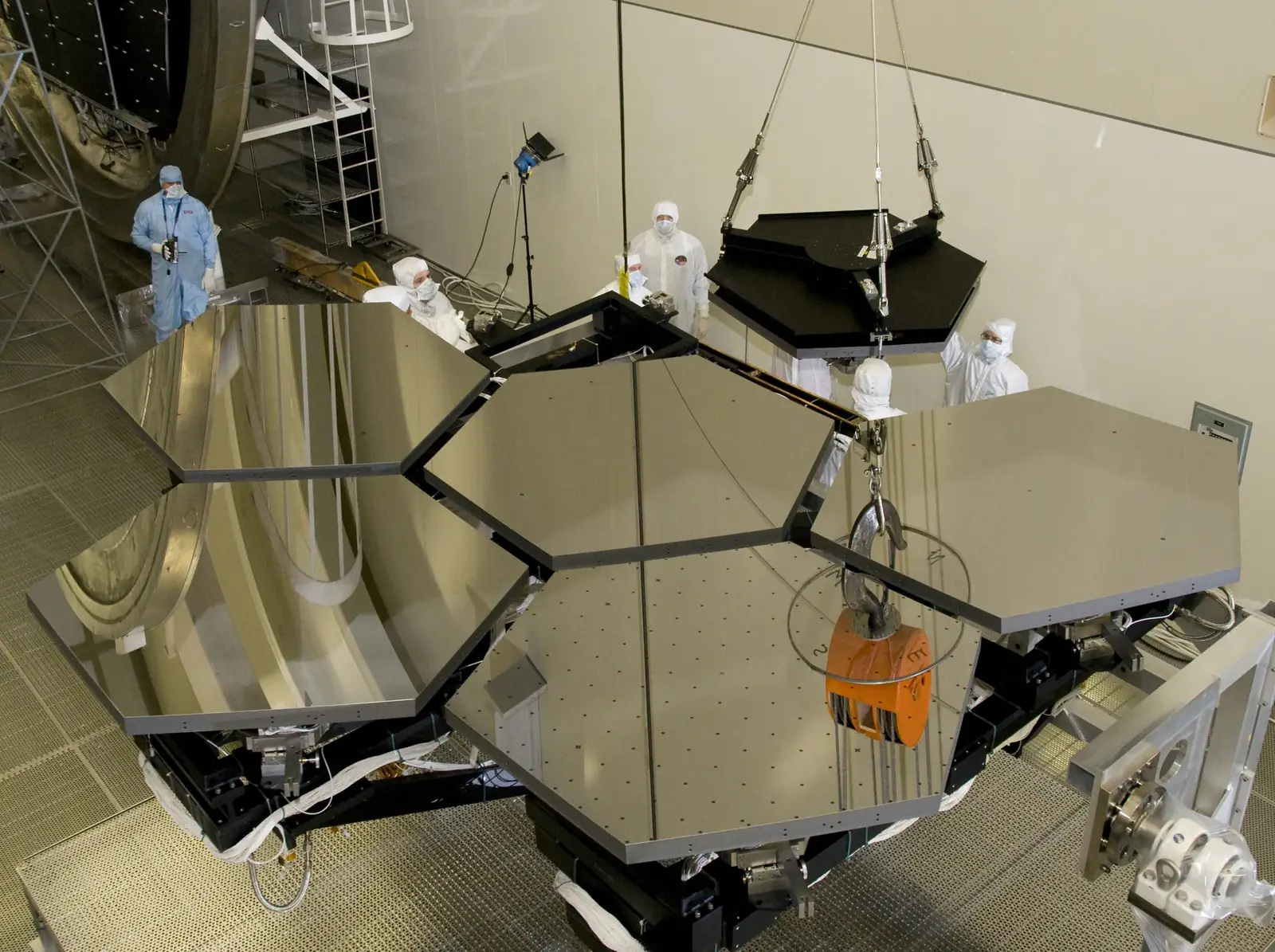
Six of the eighteen James Webb Space Telescope mirror segments before cryogenic testing
pHisis-Ai · Components · Evidence

THE PHYSICAL INTELLIGENCE WORKSTATION

Build your intelligence.
Connect models. Verify reality.

A local environment for assembling AI, scientific simulation, optimisation and verification.

CONCEPT · COMING SOON

pHisis-Ai is being designed; it is not a download yet. What you can use today: the Workspace tools, the open-source packages and the evidence behind them.

Photo: NASA/MSFC/Emmett Givens · Public domain

pHisis-Ai workstation, concept of the assembly viewMODEL RACKPHYS COREENGINE BAYMEMORYORACLEASSURANCE
Concept of the visual layout: not a developed screen and not a working 3D model.

How the parts fit together

SCL

The common language: contracts with physical units, domains and tolerances, checked before anything runs.

PHYS

The runtime that executes the work and records what ran, with which versions and inputs.

Models

Language models such as Qubit and Trinity sit in a rack. They are components, not the technical authority.

Engines

MURF and twelve other engine families: prediction, solvers, geometry, design, experiments, measurements.

Memory and evidence

Projects, results and the files that prove them, kept on your computer.

Assurance and S.T.A.R.Kontrol

Integrity of the work, permissions, local monitoring and independent checks.

The visual configuration must always match a real software configuration: a model that is not on your computer, or does not fit its memory, is not shown as running.

Component vault

Six drawers organise the components. Counts are of planned families, not of finished products.

  1. 04AI Models
  2. 12Scientific Engines
  3. 05Adapters & Devices
  4. 05Data & Memory
  5. 05Verification
  6. 06Blueprints
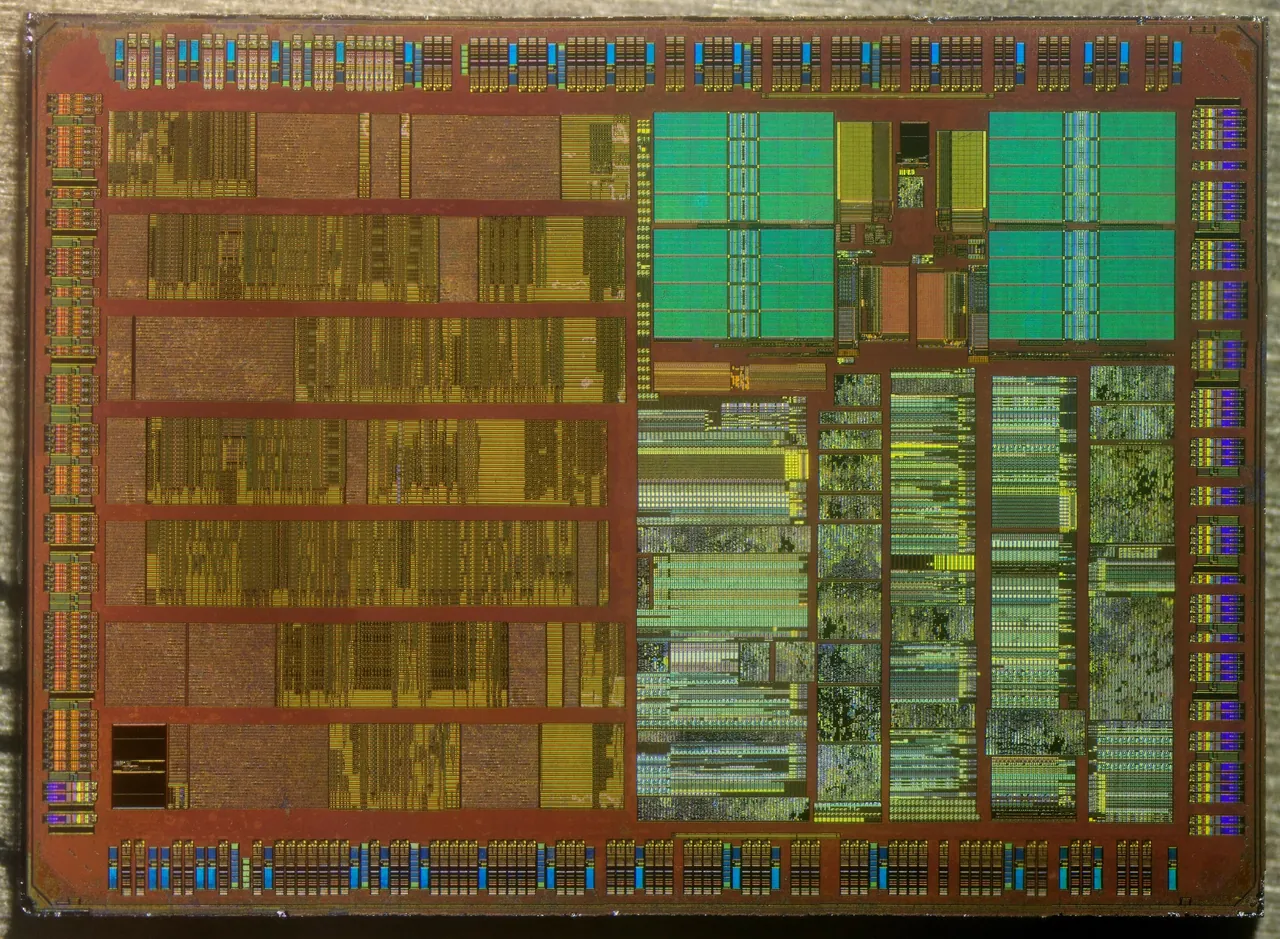
Die photograph of a Freescale MPC8245 integrated processor
Die photograph of a Freescale MPC8245 integrated processor · Photo: Martijn Boer · Public domain

What exists today

RESEARCH PREVIEW

Trinity

Where intelligence meets verification. The largest open-weight model in the world as of 23 November 2026, to the best of our knowledge.

S.T.A.R.'s open research model for chips, space and physics: 3.56 trillion parameters, 1,152 experts in every MoE layer, 23,552 new experts ready for scientific specialisation. The Starter is a small offline package: it checks your computer before any large download, runs two S.T.A.R. verification examples (an orbit and an 8-bit adder) and explains how to reach the full weights.

The Starter's examples are computed by S.T.A.R. tools, each with its method, limits and receipt: the model proposes, the laboratory verifies.

Download Trinity Starter (20.3 KB)

ZIP · 20.3 KB · Windows, Linux (Linux not yet tested on a clean machine) · SHA-256 7c88cdd71f04044b383216b27ca2543c99a6c90ea711262beff125c71dd35c55

Full weights on Hugging Face (1.97 TB, free download, multi-GPU server) →
RESEARCH

A first verified solver

An RLC circuit computed by two independent methods and checked by an energy balance, with a receipt. It runs in the lab and is under independent review.

AVAILABLE

Open-source packages

Engineering packages with tests, limits and published evidence, installable today.

Open-source packages →
AVAILABLE

Workspace

Everyday checks and calculations in your browser, each with a receipt.

Workspace →

Products

Every tool, available or planned, with its own page and real state.

Products →

Components

Every part of pHisis-Ai with the requirement it comes from.

Components →
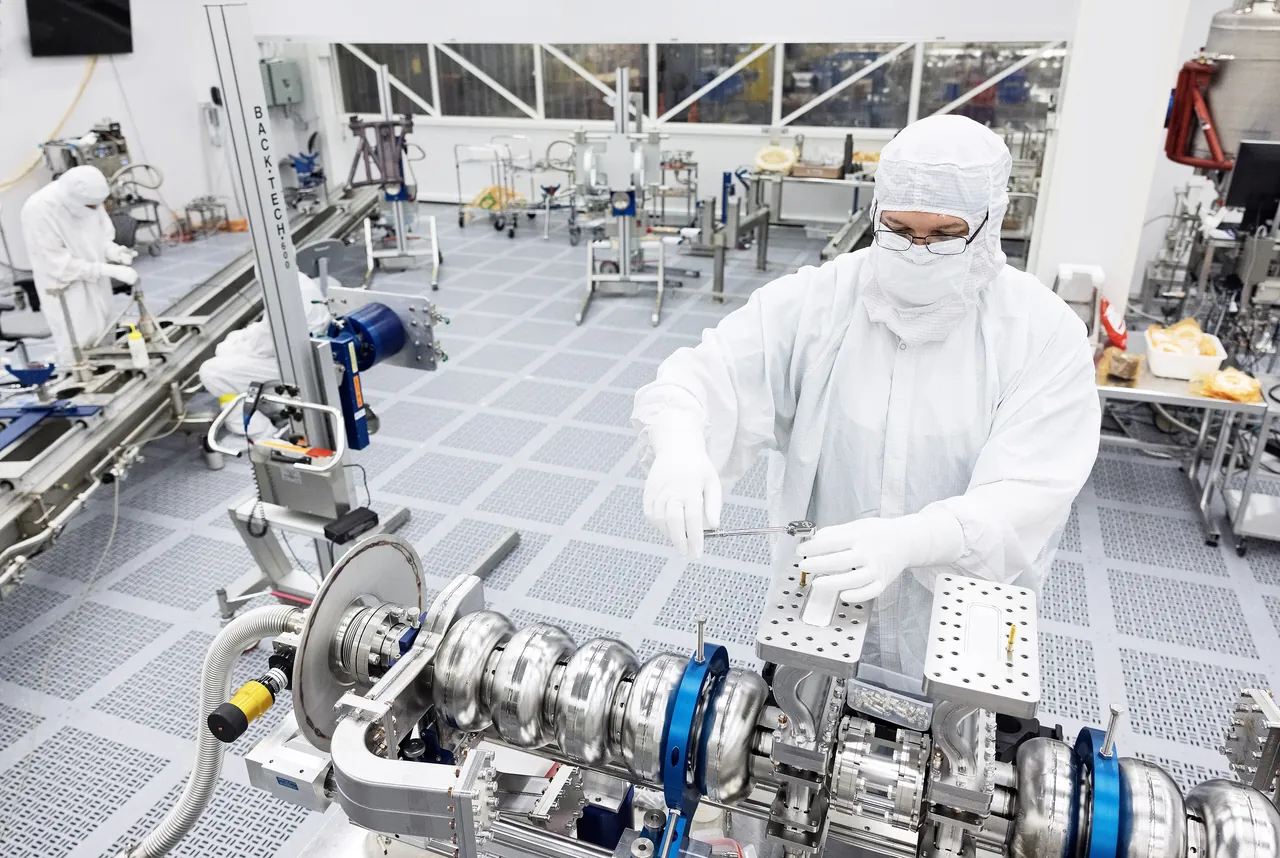
Precision assembly in a clean room at Jefferson Lab
Precision assembly in a clean room at Jefferson Lab · Photo: Aileen Devlin / Jefferson Lab · Public domain

Everything local

No inference, simulation, telemetry or cloud storage will be needed for pHisis-Ai to work. The public site presents S.T.A.R., runs browser demonstrations, shows evidence and offers downloads; the workstation runs on your computer.

results